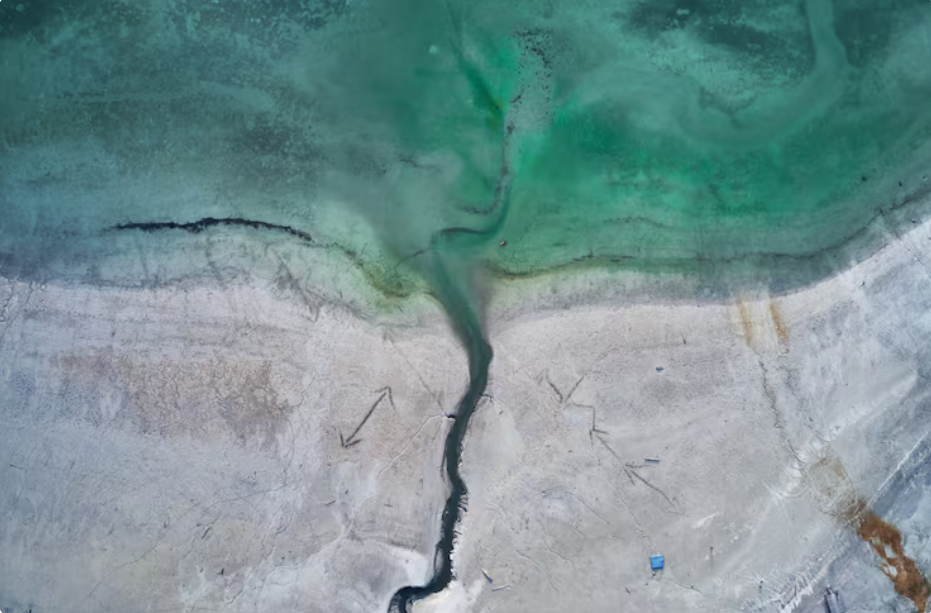
Coastal areas are no longer just concerned about sea level rise. Increased flooding, accelerated erosion, and shoreline retreat are already signs of its effects. In order to help communities, property owners, and planners get ready for these changes, coastal erosion specialists are essential. Instead of responding after harm has been done, their work focuses on predicting future circumstances and directing choices that lower long-term risk.
Starting With an Honest Assessment of Risk
Knowing how susceptible a shoreline is is the first step in preparing for sea level rise. Elevation, shoreline slope, past erosion rates, and vulnerability to storms and waves are all evaluated by coastal erosion consultants.
They concentrate on site-specific conditions rather than averages. Risks can differ significantly between two shorelines that are only a short distance apart. Consultants can prioritize places that require immediate care above others that can be stable for a longer period of time by identifying areas where erosion is expected to accelerate.
Using Historical Patterns to Guide Future Development
Planning for sea level rise requires historical coastline data. Consultants for coastal erosion research how shorelines have reacted to past storms, water level fluctuations, and human activity.
Long-term trends show whether erosion is increasing steadily, sporadically, or quickly. These patterns assist advisors in figuring out how rising oceans can exacerbate pre-existing issues rather than cause brand-new ones. Planning for the future is more accurate when this relationship is understood.
Carefully Including Sea Level Projections
Projections of sea level rise are an essential planning tool, but they must be used carefully. Rather than depending on a single estimate, coastal erosion consultants assess several scenarios.
They take into account the potential long-term effects of varying sea rise rates on erosion, flooding, and sediment movement. This strategy helps prevent designs that become outdated if circumstances change more quickly than anticipated. More adaptable and resilient shoreline solutions are made possible by planning for a variety of outcomes.
Creating Adaptation Rather Than Resistance
The departure from inflexible, immovable solutions is one of the most significant changes in erosion planning. Designs that can adjust to rising sea levels are becoming more and more important to coastal erosion consultants.
Planning that is adaptation-oriented can support natural systems that change over time, allow shorelines to migrate, or create protection that can be elevated or altered. This way of thinking acknowledges that completely opposing change is frequently impractical and expensive.
Harmonizing Natural and Structural Methods
Planning for sea level rise frequently entails determining when natural systems can offer adequate resilience and when structural protection is required.
Coastal erosion professionals assess each strategy's advantages and disadvantages. Natural elements like wetlands and dunes can sometimes absorb more wave energy and lessen erosion. In other places, essential infrastructure may need to be protected by engineering measures. Instead of relying solely on one solution, consultants try to balance these tools.
Taking Infrastructure and Community Needs into Account
Sea level rise planning involves more than just coastline location. Erosion risk is influenced by residences, public areas, utilities, and roads.
Consultants for coastal erosion collaborate with planners and other stakeholders to determine which resources need to be safeguarded and which regions might eventually require a change in use. Communities are better equipped to allocate resources and steer clear of unsustainable investments in extremely vulnerable areas because to this priority.
Tracking and Modifying Over Time
Planning for sea level rise is a continuous activity. Consultants for coastal erosion stress the significance of keeping an eye on shoreline response and revising strategies as circumstances change.
Frequent monitoring makes it possible to identify rapid erosion or unanticipated effects early on. Then, before serious harm occurs, adjustments can be made. This adaptive management strategy lowers unexpected expenses and increases long-term efficacy.
Making Decisions Based on Reasonable Expectations
Setting reasonable expectations is perhaps one of the most important things coastal erosion specialists do. Although sea level rise cannot be stopped, its effects can be controlled.
Consultants assist stakeholders in understanding trade-offs and making well-informed decisions by offering precise, evidence-based counsel. Planning that is proactive, adaptable, and based on long-term realities is supported by this clarity.
Conclusion
Coastal erosion experts use a combination of historical knowledge, future forecasts, and adaptive tactics to plan for sea rise. Instead of rejecting change, their strategy emphasizes managing it. Their role in directing resilient shoreline decisions will continue to be crucial for safeguarding coastal communities and environments as sea levels rise.